
Achilles Tendonitis Care and Relief
Get back on your feet with expert treatment for Achilles tendon pain, stiffness, and swelling from our podiatry team.
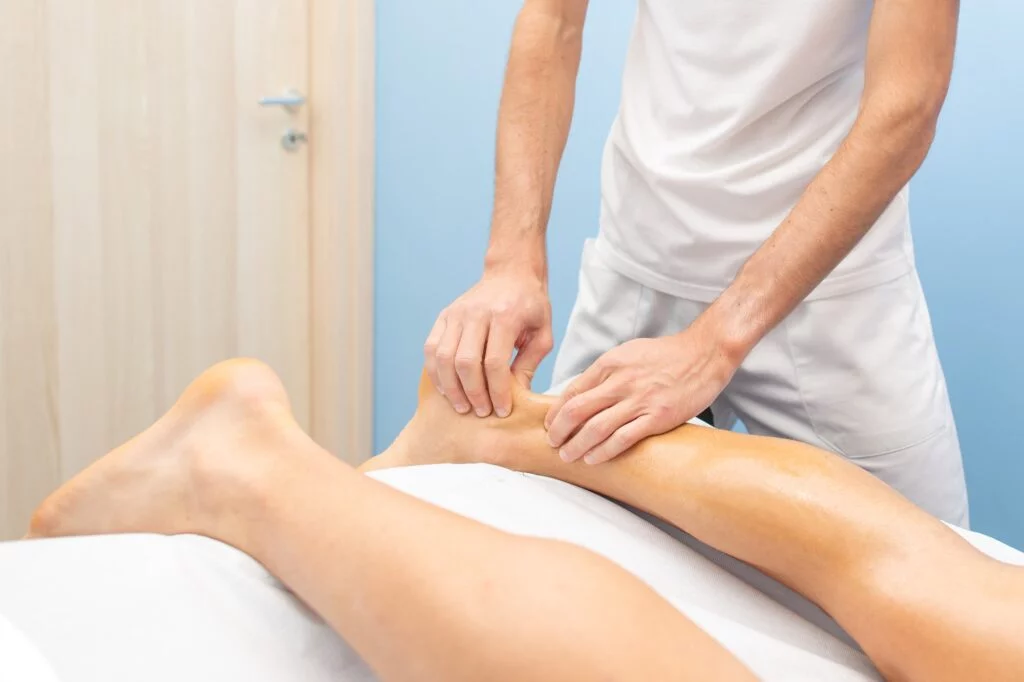
Understanding Achilles Tendonitis
Learn what causes Achilles tendon pain and when it’s time to see a foot doctor.
What To Know About Achilles Tendonitis
Achilles tendinopathy is a broad term describing conditions that cause pain, swelling, and stiffness to the Achilles tendon, a large tendon that attaches to the back of your heel bone. If you find yourself limping, unable to walk normally, or struggling to perform the activities that you enjoy due to pain in the back of your heel or lower leg, you may have a form of Achilles tendinopathy.
One of the classic symptoms includes pain and stiffness during your first couple of steps in the morning. While these symptoms may be resolved within 15 minutes, they may return throughout the day with an increase in walking. At night or after strenuous activities, the pain can be at its worst and may be debilitating.
It is also important to differentiate between Achilles tendinitis, tendinosis, and a tendon tear or rupture. Each condition affects the tendon differently and requires a specific approach to care, which is why a proper evaluation matters.
Any of these conditions may be caused by overuse of the tendon, improper training routines, inappropriate footwear, poor biomechanics, or aggravation by other conditions that you may be suffering from. Noticing these symptoms early gives you the best chance at a smooth recovery.
If your symptoms persist, we suggest that you stop the activities causing the problem and contact our foot doctors at 1Foot 2Foot for a thorough evaluation and a treatment plan tailored to you.
Protecting Your Achilles Long-Term
Once your Achilles pain has been evaluated, protecting the tendon from further stress becomes the focus. Small daily habits, like easing into activity with a warm-up and cooling down afterward, help the tendon adapt gradually rather than being overloaded all at once. This is especially important if you are returning to a sport or increasing your mileage.
Footwear plays a larger role than many patients realize. Shoes that are worn out, unsupportive, or wrong for your foot type can pull on the Achilles with every step. Choosing shoes with adequate heel support and replacing them before they break down can reduce strain on the tendon during walking, running, and standing.
Strength and flexibility of the calf muscles directly influence how the Achilles handles load. Gentle calf stretching and controlled strengthening exercises, when recommended by your provider, help the tendon tolerate the demands of daily life and exercise. Avoiding sudden spikes in training volume or intensity is one of the most effective ways to prevent flare-ups.
Biomechanical issues, such as flat feet or an abnormal gait pattern, can also keep the Achilles irritated even after symptoms improve. Custom orthotics or activity modifications may be part of your long-term plan.
Our goal at 1Foot 2Foot is to get you back on your feet and performing the activities you love, and to keep you there with a plan that fits your lifestyle.
Find Achilles Tendon Care Near You
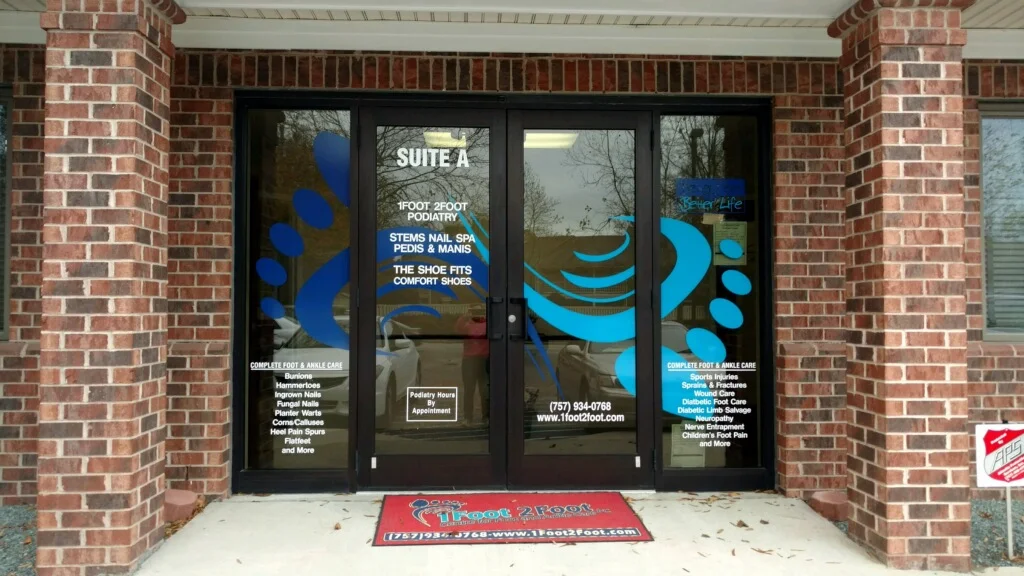
Visit us in Suffolk, North Suffolk, Hampton, or Virginia Beach for convenient care.

Don’t let Achilles pain sideline the activities you love any longer.
We’re ready to help you feel better and get moving comfortably again.