
Wounds, Ulcers & Limb Preservation
A wound that isn’t closing after a couple of weeks is a signal, not something to wait out. Our team steps in early to protect your foot and your mobility.
What You Need To Know
A slow-healing wound almost never resolves on its own, and the longer it’s open, the more it puts your foot at risk.
Why Non-Healing Wounds Need Specialized Care
Most cuts and blisters heal in days. When a wound on the foot or ankle lingers for weeks instead, something is interfering with the healing process, and it’s rarely something a bandage alone can fix. Patients across Chesapeake, Suffolk, Hampton, and Virginia Beach come to us with wounds tied to a range of underlying causes:
– Diabetic foot ulcers, which often develop on pressure points without much pain – Venous ulcers from poor circulation, usually around the lower leg or ankle – Wounds that reopen or won’t close after a prior injury or surgery – Pressure sores from limited mobility or extended time in a cast or brace – Any open wound on the foot that hasn’t visibly improved in 2 weeks
For patients managing diabetes: nerve damage can mask pain, so a wound may go unnoticed until it’s already infected. Daily foot checks matter more than most people realize, and we teach caregivers and family members what to look for between visits.
For older adults and those with limited mobility: slower circulation and thinner skin mean wounds progress faster than they would in a younger, healthier foot. What looks minor on day one can look very different by day ten.
Same-day appointments are typically available for wounds that appear infected, are rapidly changing, or are causing fever or spreading redness.
What Treatment for Wounds and Ulcers Looks Like
Our goal with every wound is the same: close it, keep it closed, and address whatever caused it in the first place.
Initial evaluation includes: – Assessing wound depth, drainage, and signs of infection – Checking circulation and sensation in the surrounding tissue – Reviewing labs or imaging when infection or bone involvement is suspected
Non-surgical wound care: – Debridement to remove dead or infected tissue and support healing – Specialized dressings suited to the wound type and drainage level – Offloading devices, such as boots or custom padding, to relieve pressure – Antibiotic therapy when infection is present
Advanced and ongoing care: – Coordination with vascular specialists when circulation is a contributing factor – Regular follow-up visits to track healing and adjust the plan as needed – Surgical intervention when a wound doesn’t respond to conservative care
Protecting the limb long-term: – Custom orthotics or footwear to prevent the same spot from breaking down again – Ongoing diabetic foot checks to catch new problem areas early – Clear guidance for patients and caregivers on daily wound monitoring at home
Left untreated, a wound like this can progress to infection, involve the bone, and in serious cases threaten the leg itself. Getting evaluated early is the single biggest factor in avoiding that outcome.
Where We Treat Wounds and Ulcers
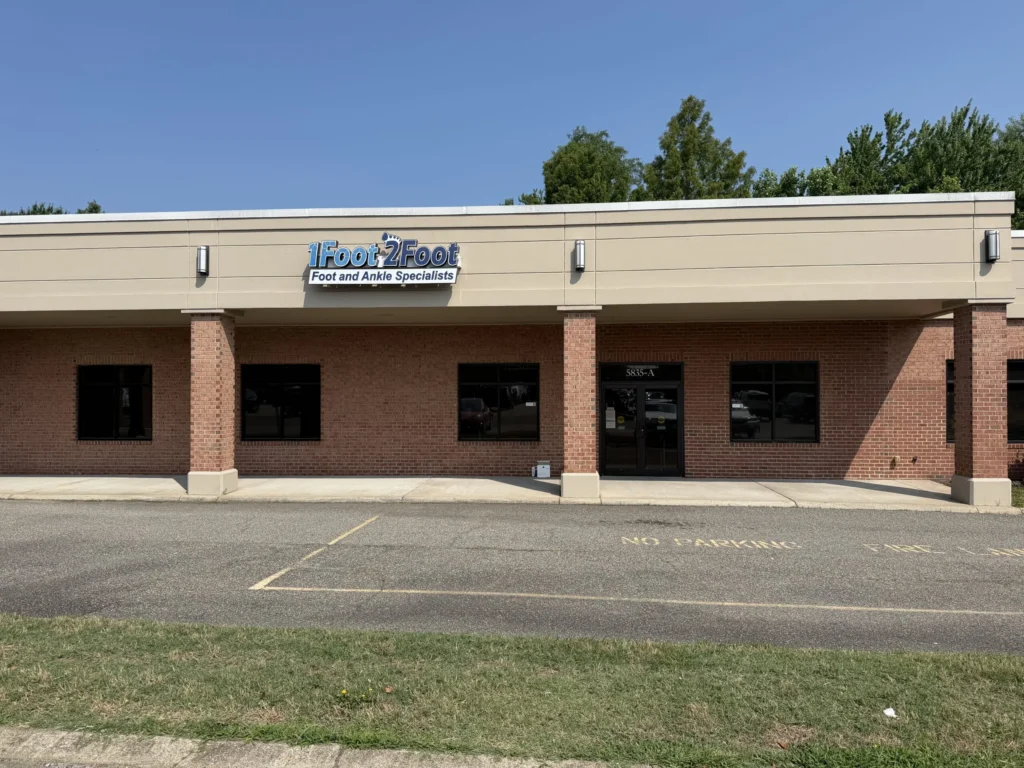
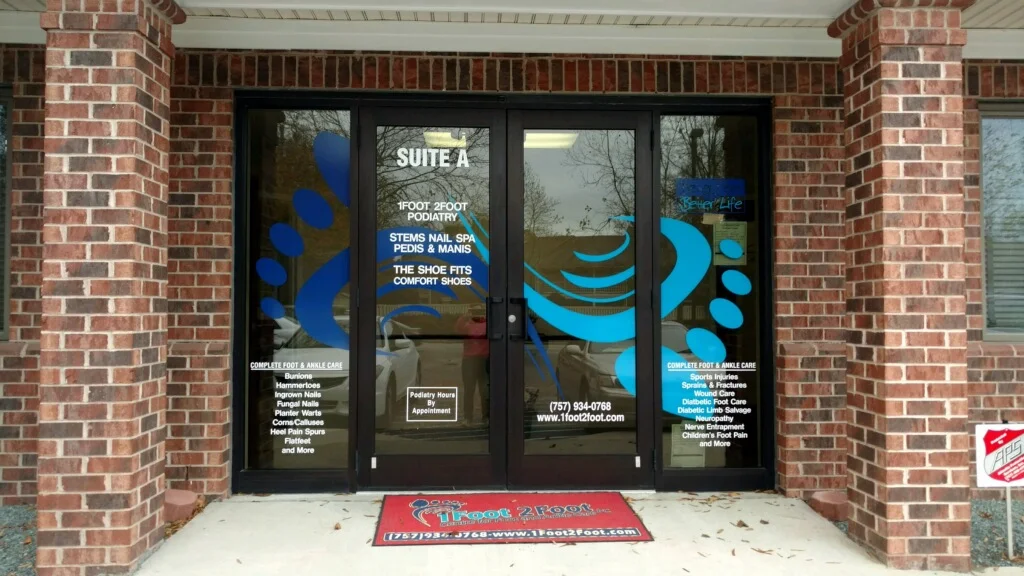
Find a 1Foot 2Foot clinic near you in Chesapeake, Suffolk, Hampton, or Virginia Beach for prompt wound evaluation.


A Wound That Isn’t Healing Needs Attention Now
Early treatment is what keeps a wound from becoming something more serious.