
Peripheral Arterial Disease Care
Circulation testing and early intervention to protect your feet from complications of poor blood flow.

What You Need To Know About PAD
Understanding peripheral arterial disease and how circulation testing protects your feet.
Peripheral Arterial Disease and Circulation
Conditions like peripheral vascular disease (PVD) and peripheral arterial disease (PAD) have been on the rise in recent years and are typically associated with other conditions, such as cardiac disease, renal disease, hypertension, and diabetes. These conditions narrow the arteries that carry blood to your legs and feet, which can lead to pain, slow-healing wounds, and other serious complications if left untreated.
Patients with PAD often notice symptoms such as leg cramping during walking that eases with rest, coldness or numbness in the feet, changes in skin color, and sores that are slow to heal. Some patients experience very few symptoms early on, which is why routine screening matters for anyone with risk factors like diabetes, high blood pressure, high cholesterol, smoking, or kidney disease.
At 1Foot 2Foot, our foot and ankle specialists will perform an evaluation of your baseline circulatory status by placing a device similar to a blood pressure cuff around your legs. This pain-free device will measure your circulatory flow and provide our specialists with the necessary information to determine if additional vascular testing is needed.
Patients with diabetes, poor circulation, or any other foot or ankle disorder are encouraged to schedule an appointment today so we can assess your circulation and guide next steps.
Prevention and Long-Term Foot Health
Prevention is key, so early diagnosis and treatment of these disorders can help prevent future issues, like ulceration, gangrene, and amputation. Identifying reduced blood flow early gives you and your provider time to address the underlying problem before it affects the skin and soft tissues of your feet.
Diagnostic vascular testing proves to be necessary to treat several disorders. For example, complete vascular testing is useful in treating high-risk diabetic patients to prevent complications from poor circulation. When we understand exactly how well blood is reaching your feet, we can tailor wound care, footwear recommendations, and referrals to vascular specialists when appropriate.
Daily habits play an important role in protecting circulation. Not smoking, keeping blood sugar and blood pressure well controlled, staying physically active as tolerated, and following your primary care physician’s guidance on cholesterol and heart health all support better blood flow to your feet. Simple foot habits also matter, including checking your feet daily for cuts, blisters, or color changes, wearing properly fitted shoes, and never ignoring a wound that will not heal.
If you have diabetes or another condition that puts you at higher risk, regular foot exams should be part of your ongoing care. Our team will work with you and your other providers to monitor your circulation over time and address concerns as soon as they appear, so small issues do not become serious ones.
Find Circulation Testing Near You
Visit a convenient 1Foot 2Foot location for vascular assessment and foot care.



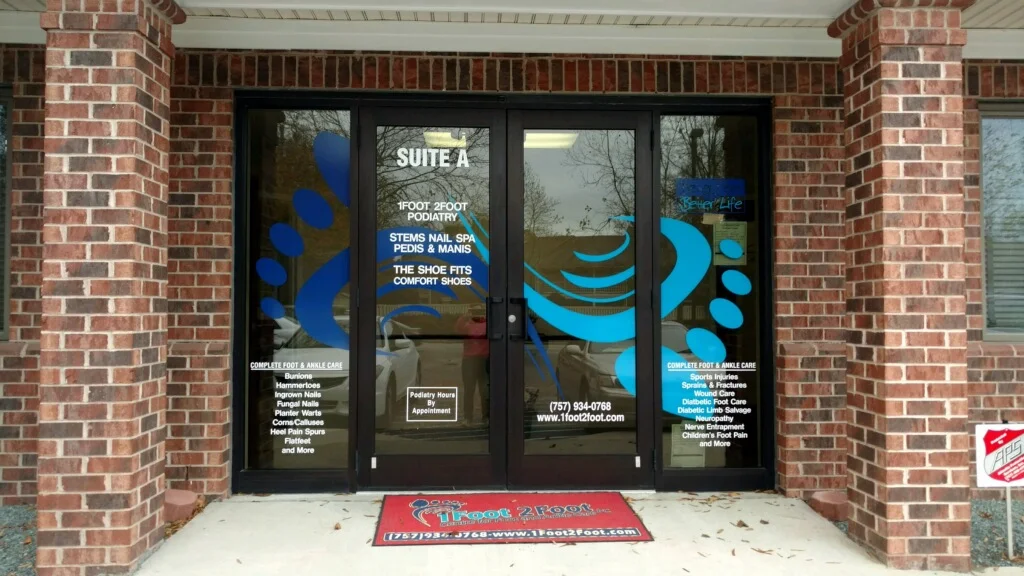

Don’t wait to have your circulation checked, your feet depend on healthy blood flow.
We’re here to help you catch problems early and keep your feet healthy.