
Fall Prevention and Balance Care
Custom braces, balance testing, and podiatric care to help you stay steady, confident, and independent on your feet.
What You Need To Know
Understanding your fall risk is the first step toward staying steady and independent.
Fall Prevention for Steadier Steps
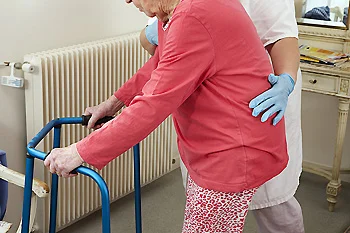
Falls are a serious health concern, particularly for older adults and individuals with foot and ankle conditions. Each year, millions of people suffer injuries due to falls, leading to fractures, loss of mobility, and long-term disability. Many of these falls are preventable with proper balance assessments, supportive braces, and podiatric treatments.
Falls are the leading cause of injury-related hospital visits among adults over 65, but they also affect younger individuals with balance impairments. According to the Centers for Disease Control and Prevention (CDC), one in four adults over 65 falls each year, and fall-related injuries account for over 3 million emergency room visits annually.
Several factors contribute to an increased fall risk, including weak or unstable ankles, neuropathy that reduces sensation in the feet, poor posture and coordination due to aging or medical conditions, muscle weakness, medication side effects such as dizziness or drowsiness, and foot pain or improper footwear that increases the risk of tripping. Understanding these risk factors can help you take proactive steps to prevent falls before they happen.
You should see a podiatrist if you frequently feel unsteady while walking, have difficulty standing on one foot, experience foot pain that affects your balance, or have already suffered a fall. At 1Foot 2Foot, a thorough evaluation can identify what is affecting your stability and guide the right treatment plan for you.
Treatments That Improve Stability
The Moore Balance Brace (MBB) is a lightweight, custom-made ankle-foot orthosis designed to improve stability and reduce fall risk. Unlike traditional braces, the MBB is tailored for individuals experiencing balance issues due to weakness, neuropathy, or instability. It provides added ankle and foot support, improves proprioception, reduces fear of falling, and is custom-fitted to work with most types of footwear.
The Life in Balance Test is a comprehensive assessment used to evaluate stability, gait, and fall risk. It includes gait evaluation, postural assessment, ankle and foot strength testing, and a fall history review. Based on the results, your podiatrist can build a personalized plan that may include the Moore Balance Brace, custom orthotics, physical therapy, or other interventions.
Custom orthotics correct foot positioning and provide arch support to absorb shock, improve weight distribution and posture, and enhance foot control on various surfaces. Patients with flat feet, high arches, or pronation issues often benefit from properly fitted inserts.
Strengthening exercises such as the heel-to-toe walk, single-leg stance, and calf raises can build muscle function in the feet, ankles, and legs. Proper footwear also matters: look for low, wide heels, non-slip soles, firm heel support, and a secure fit. For patients with neuropathy, treatments to improve nerve function and circulation can further support balance. With the right combination of care, most patients see meaningful improvements in confidence and stability over time.
Balance and Fall Prevention Care Near You
Visit a 1Foot 2Foot location for a balance assessment and personalized fall prevention care.




Don’t wait for a fall to take your balance seriously, let’s get you steady today.
We’re here to help you walk with confidence. Book your balance assessment.