
Sports Medicine
Our podiatrists diagnose the problem, treat it, and help you rebuild the strength to prevent it from happening again.
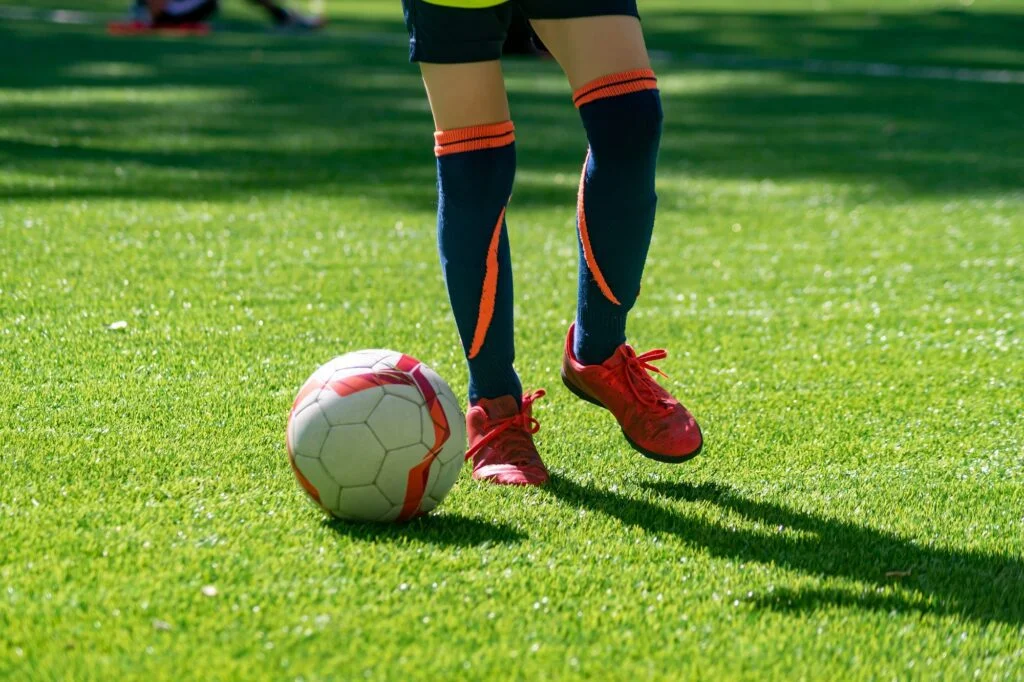
What You Need To Know
An injury that isn’t managed correctly can linger for months. Here’s how to know when to come in, and what to expect once you do.
When to See a Podiatrist for a Sports Injury
Podiatrists are trained in the lower leg, ankle, and foot specifically, which makes them the right first call for most sports injuries. At 1Foot 2Foot, we care for competitive athletes, school and rec league players, performing artists, and anyone whose activity has left them hurting.
Signs it’s time to come in:
– Moderate to severe bruising or swelling
– Weakness in the leg or foot
– Pain or difficulty putting weight on the injured area
– A sense that your ankle or leg may give out
– Decreased range of motion
– Heel pain that doesn’t ease up
Foot and ankle fractures should always be evaluated promptly, even if the pain feels manageable.
For parents: growing bodies carry their own risks — growth plate injuries, Sever’s disease, and overuse from year-round travel schedules among them. Kids don’t always describe pain clearly, and some won’t mention it at all. A change in gait or a limp is reason enough to bring your child in. We explain what’s going on in plain terms and get them back to practice safely.
Conditions we treat: – Fractures – Ankle sprains, including high ankle sprains – Muscle strains – Tendonitis – Plantar fasciitis – Achilles tendon problems – Leg cramps – Shin splints – Flexor tendon injuries
Why Early Treatment Speeds Recovery
Pushing through pain rarely pays off. A minor strain left untreated can turn into a chronic issue that takes far longer to resolve. Evaluating an injury early lets us build a plan that gets you back to your sport on a realistic timeline, and reduces the odds of the same injury coming back.
What Treatment for Sports Injuries Looks Like
Your plan depends on your injury, your diagnosis, and your goals for returning to activity.
Passive therapies we use: – Ice and Elevation therapy – Shockwave therapy – MLS Laser Therapy – Taping and bracing
Active rehab includes: – Physical therapy targeted to your injury – Strength and mobility work for the areas that contributed to the injury – A gradual, monitored return to your sport
For fractures and more serious injuries: – We address the underlying damage first – Then rehab the surrounding muscles and joints – So you can return to the gym, the field, or the studio with confidence
Demands vary by sport and by age: – Runners deal with repetitive impact on hard surfaces – Court sports require sharp, sudden direction changes – Football, soccer, and basketball combine running, cutting, and contact – Growing kids are prone to overuse injuries and heel pain like Sever’s disease, especially during busy travel-team seasons
Proper footwear, smart training, and early attention to nagging pain go a long way toward staying off the sidelines. When an injury does happen, we’re here to help you recover and stay ahead of the next one.
Where We Treat Sports Injuries
Find a 1Foot 2Foot clinic near you and book your sports medicine visit today.

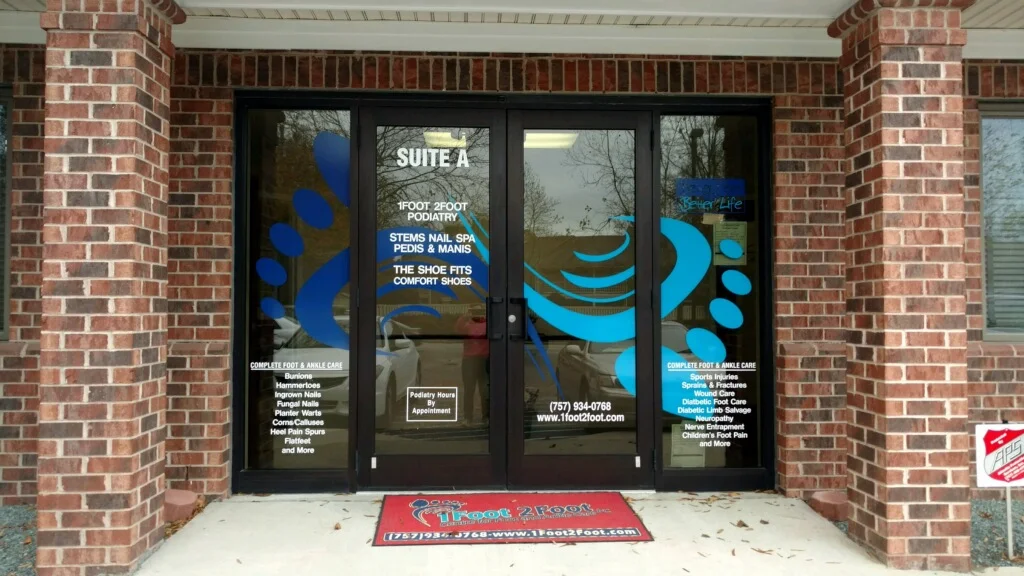
Don’t Wait Out an Injury. Let’s Build Your Recovery Plan.
Book online or call to schedule with a sports medicine podiatrist today.