
Shockwave Therapy for Foot Pain
A noninvasive, FDA-approved treatment that uses sound wave pulses to relieve chronic foot and ankle pain.
What You Need To Know About Shockwave Therapy
Learn how shockwave therapy works and which conditions it can help resolve.
Understanding Shockwave Therapy
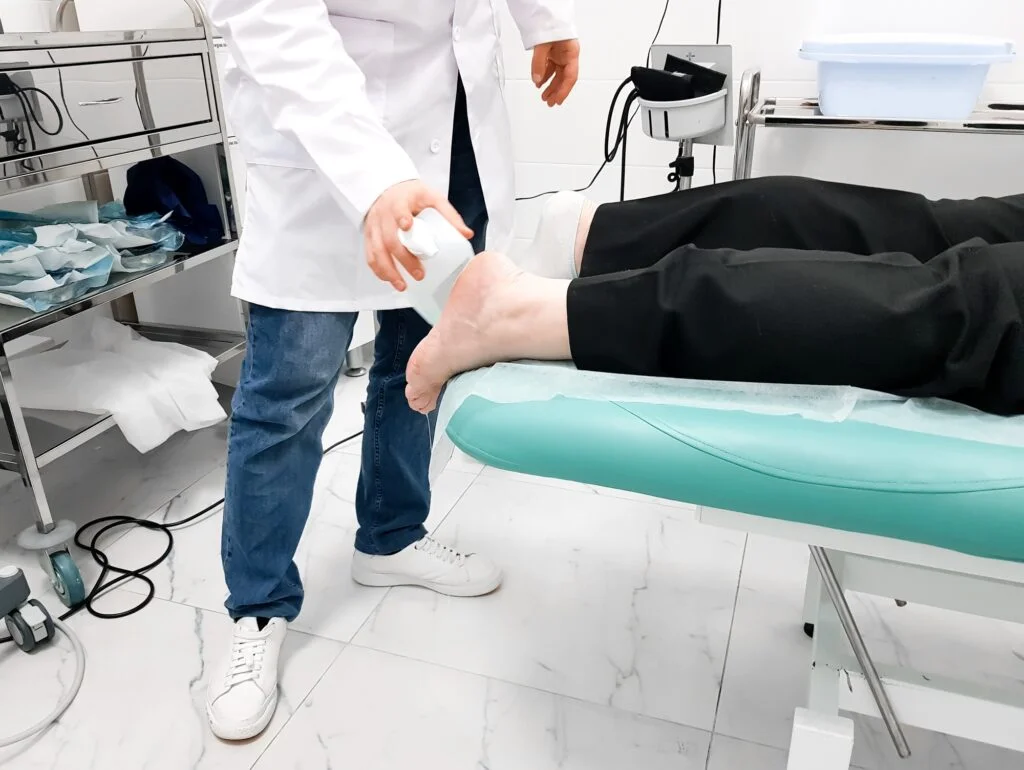
Shockwave Therapy is an effective, noninvasive, FDA-approved technique used worldwide to safely treat bone and soft tissue disorders around the foot and ankle. It’s especially effective for Achilles tendonitis, tendonitis in the arch, plantar fasciitis (heel spurs), and incorrectly healed fractured bones.
No anesthesia is required. The treatment works by sending sound wave pulses into the injured area, creating a microtrauma, or tiny controlled injury, in the soft tissue or bone. That controlled injury stimulates your body’s own healing response and improves blood circulation, encouraging new blood vessel formation so healing cells can migrate to the injured tissue and making this a fundamental part of care.
Injuries can become chronic and resistant to healing over time, responding less to traditional treatment. Doctors have searched for years for ways to help this kind of tissue heal. The best way to treat acute injuries remains RICE: rest, ice, compression, and elevation, but when pain persists beyond the acute phase and conservative care hasn’t resolved the problem, this treatment may be an appropriate next step.
If you’ve been living with heel pain, arch pain, or tendon pain that won’t resolve, schedule an evaluation to determine whether Shockwave Therapy is right for your condition.
Treatment Protocol and Recovery
A typical session lasts around 15 minutes and is repeated once weekly for a total of three weeks. Sessions are performed in-office without anesthesia, so you can return to your regular activities the same day.
Clinical studies show a nearly 90% success rate for treating plantar fasciitis and other tendon problems in the foot and ankle, with 83% of patients reporting a VAS scale pain reduction of at least five points.
Patients looking for fewer visits have another option: a higher-intensity, single-session protocol that also uses sound waves to treat the injured tissue. Because the application delivers more energy at once, the foot is anesthetized for this procedure, and often one treatment resolves the condition. Our team will work with you and your insurance to determine if this option is covered.
Because the standard procedure is noninvasive, downtime is minimal and recovery is swift. Some patients experience mild discomfort, redness around the treatment area, or bruising, which usually resolves within a few days, and no bandages or casts are needed.
Healing rates vary, but most patients feel significantly better within a month, with full benefits developing over up to three months as new tissue forms. In a small number of cases where full resolution isn’t achieved, patients may progress to more involved procedures with guidance from their provider.
Where to Find Shockwave Treatment
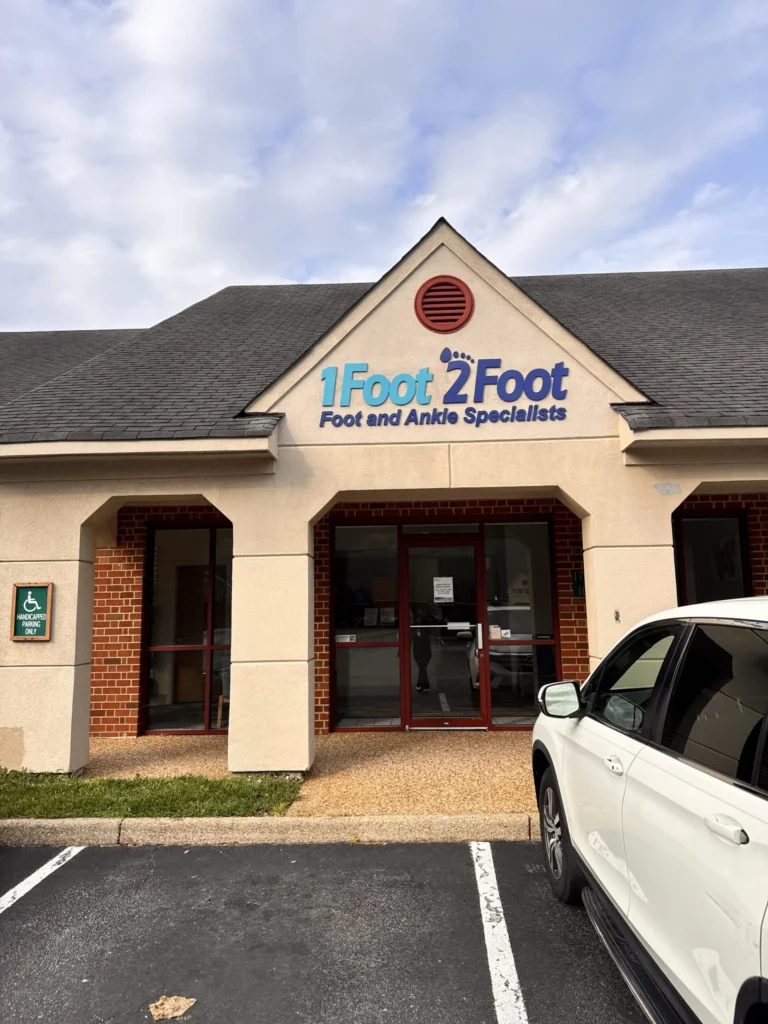
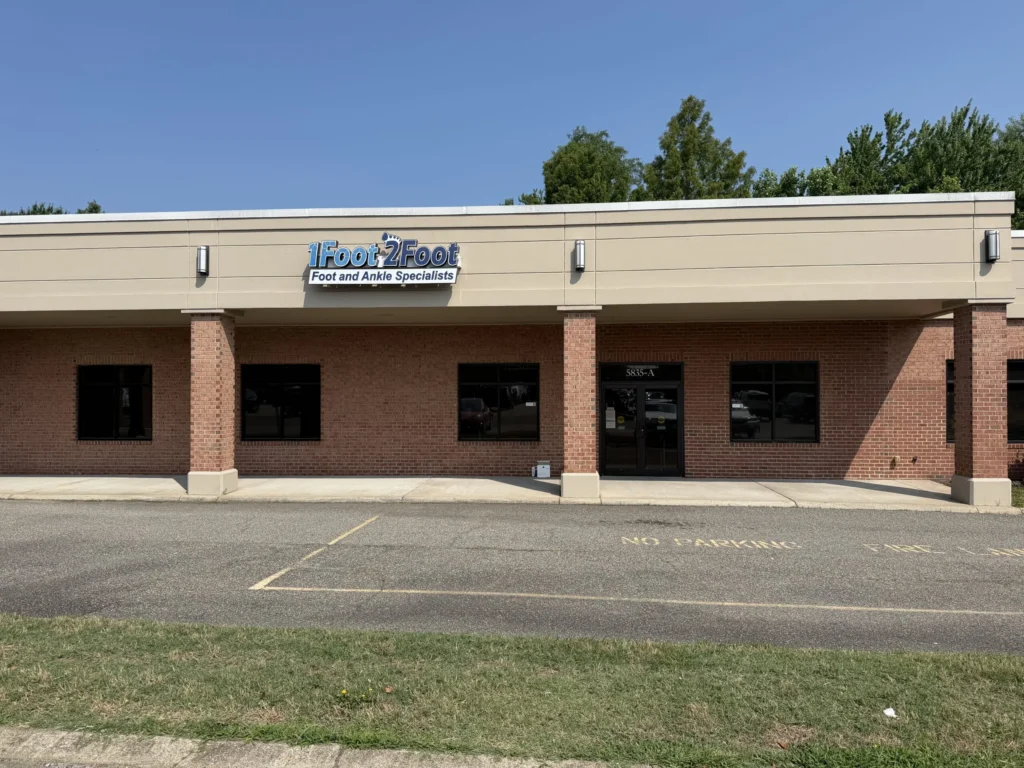
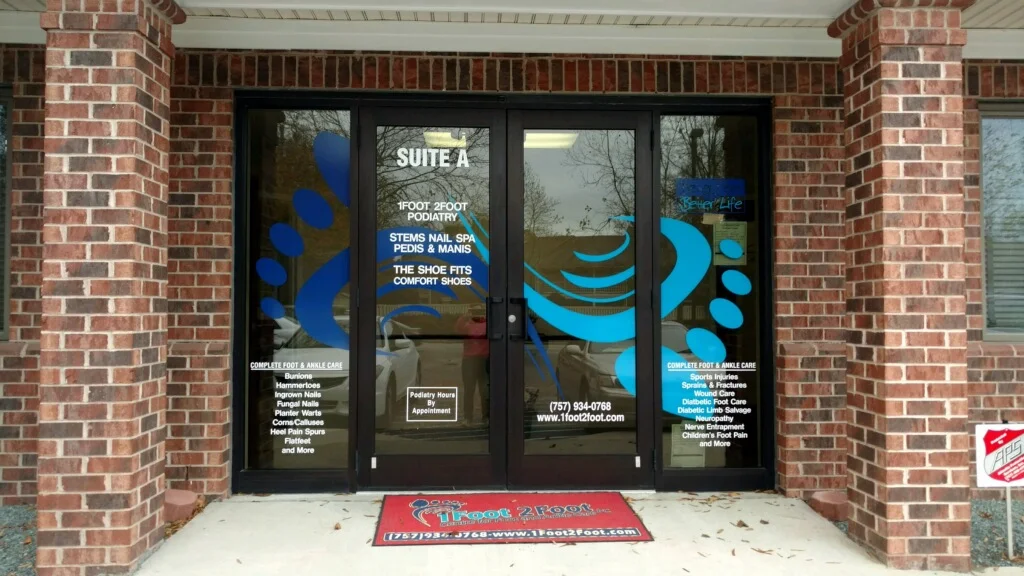
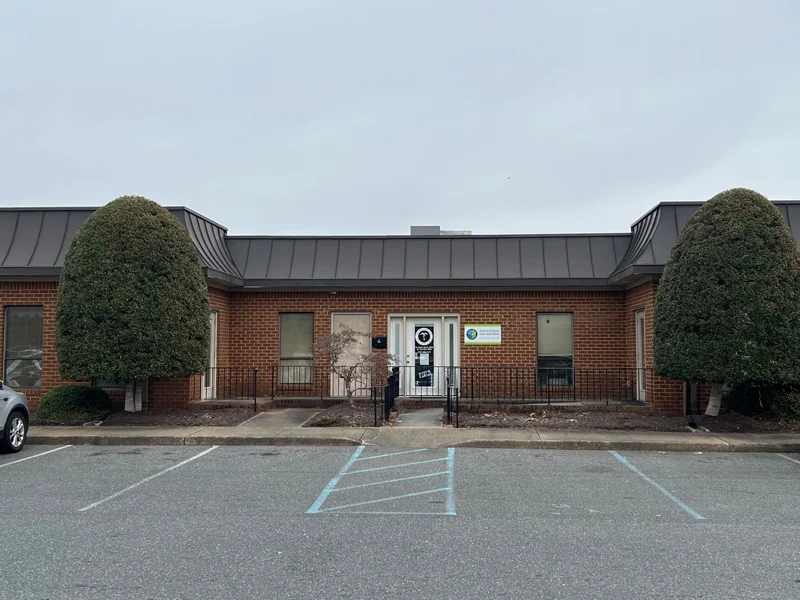
Visit a 1Foot 2Foot location near you to see if shockwave therapy is right for you.

Ready to put chronic heel and tendon pain behind you? Let’s talk about Shockwave Therapy.
Book an evaluation with 1Foot 2Foot to see if shockwave therapy is right for you.